
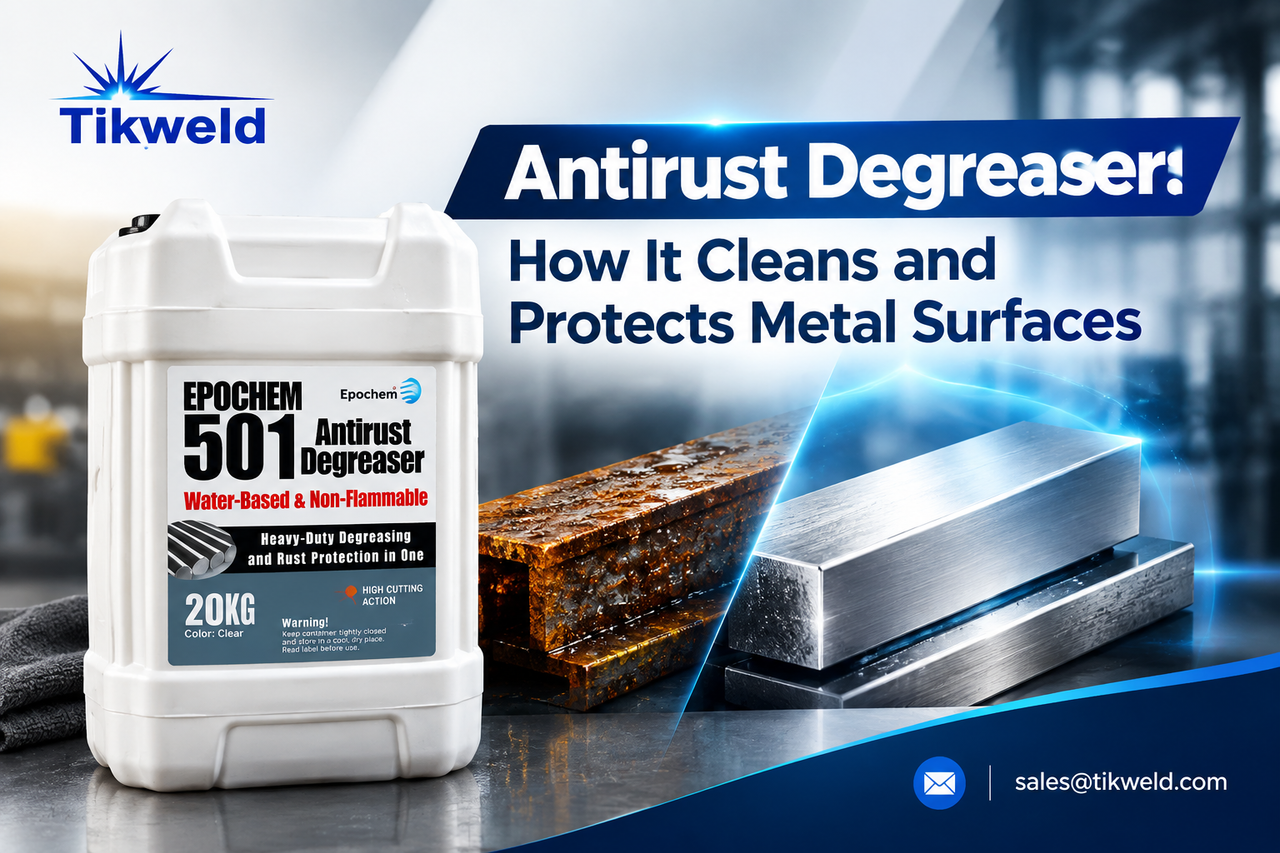
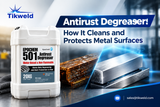
Antirust Degreaser: How It Cleans and Protects Metal Surfaces
Introduction
Industrial equipment and metal components are often exposed to two common maintenance problems at the same time: oil and grease buildup and the risk of rust and corrosion.
Before equipment can be inspected, repaired, painted or maintained, oil and grease may need to be removed. However, cleaning metal surfaces can also leave them exposed to moisture and other conditions that contribute to corrosion.
This is where an antirust degreaser can be useful.
An antirust degreaser is designed to support the cleaning of oily or greasy surfaces while also helping address the need for rust or corrosion protection.
In this guide, we explain what an antirust degreaser is, how it works, where it can be used and how to choose the right product for metal surfaces.
What is an Antirust Degreaser?
An antirust degreaser is a specialised industrial cleaning product designed for degreasing applications where rust prevention or corrosion protection is also an important consideration.
Unlike a standard degreaser that focuses mainly on removing oil and grease, an antirust degreaser is positioned for applications involving both:
- Oil and grease removal
- Cleaning metal surfaces
- Equipment maintenance
- Surface preparation
- Rust and corrosion management
The EPOCHEM product range includes EPOCHEM 501 Antirust Degreaser as part of its industrial cleaning and maintenance product range.
Why Metal Surfaces Need Degreasing Before Maintenance
Metal equipment can accumulate contaminants such as:
- Lubricating oil
- Heavy grease
- Hydraulic oil
- Petroleum residues
- Industrial dirt
- Dust mixed with oil
These contaminants can make equipment difficult to inspect and maintain.
In some maintenance processes, surfaces may also need to be cleaned before further treatment, coating or repair.
A suitable degreasing process can help remove oily contamination from the surface and make the equipment easier to inspect.
How Does an Antirust Degreaser Work?
The exact working mechanism depends on the formulation of the specific product.
Generally, an antirust degreaser is selected where the cleaning process involves removing oil and grease while considering the protection of metal surfaces against rust or corrosion.
The cleaning process may involve:
1. Loosening Oil and Grease
The degreasing components help break down or loosen oily contaminants from the surface.
2. Allowing Contamination to Be Removed
Depending on the product and application method, loosened grease and dirt may then be removed through:
- Wiping
- Brushing
- Rinsing
- Other recommended cleaning methods
3. Supporting Metal Surface Protection
The antirust element is intended to support applications where protection against rust or corrosion is an important consideration after or during cleaning.
Important: The exact corrosion-protection performance, application method and compatibility should always be confirmed from the specific product's technical datasheet or product instructions.
Antirust Degreaser vs Regular Degreaser
A regular degreaser is primarily selected for removing oil, grease and oily contamination.
An antirust degreaser is selected for applications where the cleaning requirement is combined with the need to consider metal surface protection.
| Feature | Regular Degreaser | Antirust Degreaser |
|---|---|---|
| Removes oil and grease | Yes | Yes |
| Used for equipment cleaning | Yes | Yes |
| Used on metal surfaces | Depends on product | Depends on product |
| Rust protection consideration | Not always | Primary consideration |
| Suitable for maintenance applications | Yes | Yes |
The exact performance will depend on the specific product formulation.
Common Uses of Antirust Degreasers
1. Industrial Equipment Maintenance
Industrial machinery and equipment may accumulate grease and oil during normal operation.
An antirust degreaser may be considered where maintenance teams need to clean oily surfaces while also considering the condition of exposed metal components.
Typical equipment may include:
- Industrial machinery
- Mechanical equipment
- Metal housings
- Workshop equipment
- Maintenance tools
2. Cleaning Metal Components
Metal components may require degreasing before inspection, maintenance or further treatment.
An antirust degreaser may be useful for cleaning applications involving suitable:
- Steel components
- Metal parts
- Mechanical assemblies
- Equipment surfaces
Always confirm product compatibility with the specific metal before use.
3. Surface Preparation Before Maintenance
Oil and grease can interfere with maintenance and inspection activities.
Before carrying out certain processes, a surface may need to be cleaned to remove contaminants.
This can include preparation before:
- Equipment inspection
- Mechanical repairs
- Maintenance work
- Further surface treatment
The correct cleaning and protection process should depend on the requirements of the next maintenance stage.
4. Workshop and Industrial Maintenance
Antirust degreasers can also be considered for workshop environments where equipment is regularly exposed to:
- Oil
- Grease
- Dirt
- Moisture
A planned cleaning and maintenance routine can help keep equipment surfaces accessible and easier to inspect.
How to Use an Antirust Degreaser
The correct application method depends on the specific product.
Before using an antirust degreaser:
Step 1: Check the Product Instructions
Always review:
- Product label
- Technical datasheet
- Safety Data Sheet (SDS)
- Recommended application instructions
Step 2: Identify the Surface
Determine the material you are cleaning.
This may include:
- Steel
- Other metals
- Painted surfaces
- Mechanical components
Not every cleaning chemical is suitable for every surface.
Step 3: Remove Excess Grease
For heavy contamination, remove loose or excessive grease using appropriate materials before applying the cleaning product.
Depending on the surface, this may involve:
- Rags
- Brushes
- Suitable absorbent materials
Step 4: Apply the Product According to Instructions
Apply the antirust degreaser only according to the manufacturer's recommended method.
Do not assume that all antirust degreasers should be:
- Sprayed
- Diluted
- Brushed
- Rinsed
Application methods vary by formulation.
Step 5: Remove Loosened Contamination
Remove oil and grease according to the product instructions.
Depending on the product, this may involve:
- Wiping
- Rinsing
- Brushing
- Other approved cleaning methods
Step 6: Inspect the Metal Surface
After cleaning, inspect the equipment to ensure that:
- Oil and grease have been removed.
- The surface is suitable for the next maintenance process.
- There is no visible contamination remaining.
- Further treatment is carried out where required.
Antirust Degreaser vs Rust Remover
These products serve different purposes.
Antirust Degreaser
An antirust degreaser is used for cleaning applications involving oil and grease while considering rust protection.
Rust Remover
A rust remover is designed specifically for dealing with existing rust on suitable surfaces.
The EPOCHEM range also includes EPOCHEM 430 Rust Remover and EPOCHEM 420 Rust Guard, which are separate products from EPOCHEM 501 Antirust Degreaser.
This distinction is important:
A product intended to help prevent rust is not necessarily designed to remove heavy existing rust.
If significant rust is already present, a dedicated rust-removal process may be required.
Antirust Degreaser vs Rust Guard
A rust guard and an antirust degreaser can also serve different functions.
Antirust Degreaser
Focuses on cleaning oily or greasy surfaces while supporting applications where rust protection is a consideration.
Rust Guard
Typically focuses more directly on protecting suitable metal surfaces from rust or corrosion.
The EPOCHEM product range lists EPOCHEM 420 Rust Guard separately from EPOCHEM 501 Antirust Degreaser, indicating that they are different products intended for different maintenance needs.
For equipment that requires both cleaning and longer-term protection, the appropriate maintenance process should be determined based on the equipment, environment and product instructions.
When Should You Use an Antirust Degreaser?
Consider an antirust degreaser when your maintenance application involves:
- Oil or grease on metal equipment
- Cleaning before maintenance
- Cleaning mechanical components
- Preparing suitable surfaces for further work
- Equipment exposed to conditions where corrosion is a concern
The right product should always be selected based on:
- Type of contamination
- Surface material
- Cleaning method
- Environmental conditions
- Required level of corrosion protection
Choosing the Right Degreaser for Metal Equipment
Before selecting a degreaser, ask the following questions:
What Are You Removing?
Are you dealing with:
- Light oil?
- Heavy grease?
- Hydraulic fluid?
- Petroleum residues?
- Existing rust?
Different problems may require different products.
What Type of Metal Are You Cleaning?
The surface may be:
- Mild steel
- Stainless steel
- Aluminium
- Painted metal
Always check compatibility before applying industrial chemicals.
Do You Need Rust Removal or Rust Protection?
This is an important distinction.
If you are dealing with:
Existing rust → Consider an appropriate rust remover.
Oil and grease + rust prevention concerns → Consider an antirust degreaser.
Longer-term surface protection → Consider an appropriate rust guard or corrosion inhibitor.
Antirust Degreaser for Industrial Equipment Maintenance
Industrial equipment maintenance often involves several stages.
For example:
Stage 1: Remove Oil and Grease
Use an appropriate degreasing product.
Stage 2: Inspect the Surface
Check for:
- Rust
- Damage
- Corrosion
- Leaks
- Worn components
Stage 3: Treat Existing Rust
If rust is present, use an appropriate rust-removal method where suitable.
Stage 4: Apply Protection Where Required
Depending on the maintenance requirements, consider:
- Rust guards
- Corrosion inhibitors
- Protective coatings
This approach helps maintenance teams avoid using one product for multiple problems where specialised products may be more appropriate.
Common Mistakes to Avoid
Using an Antirust Degreaser as a Rust Remover
An antirust degreaser should not automatically be assumed to remove heavy existing rust.
If the problem is existing corrosion, check whether a dedicated rust remover is required.
Applying Chemicals Without Checking Compatibility
Always confirm whether the product is suitable for:
- The metal
- Painted surfaces
- Seals
- Rubber components
- Other sensitive materials
Ignoring Product Safety Information
Industrial cleaning chemicals should be handled according to the manufacturer's instructions and safety documentation.
Use appropriate PPE where required.
Skipping Surface Inspection
After degreasing, inspect the equipment.
Cleaning can make it easier to identify:
- Corrosion
- Oil leaks
- Surface damage
- Mechanical problems
Safety Tips When Using Antirust Degreasers
Always follow the specific product's:
- Label instructions
- Technical datasheet
- Safety Data Sheet (SDS)
General industrial chemical safety practices include:
- Wearing appropriate protective equipment.
- Avoiding unnecessary skin and eye contact.
- Ensuring suitable ventilation where required.
- Not mixing chemicals unless specifically instructed.
- Following proper storage and disposal procedures.
For additional guidance on workplace chemical safety and handling hazardous chemicals, refer to recognised workplace safety resources such as OSHA's Hazard Communication guidance.
Frequently Asked Questions About Antirust Degreasers
What is an antirust degreaser?
An antirust degreaser is an industrial cleaning product designed for degreasing applications where rust or corrosion protection is also an important consideration.
Does an antirust degreaser remove rust?
Not necessarily.
An antirust degreaser and a rust remover can serve different purposes. Always check the product's technical information to confirm whether it is designed to remove existing rust.
Can I use an antirust degreaser on metal?
This depends on the product formulation and the type of metal.
Always check the manufacturer's compatibility and application guidance before use.
What is the difference between an antirust degreaser and a rust remover?
An antirust degreaser focuses on cleaning oil and grease while considering rust protection, while a rust remover is designed specifically to address existing rust on suitable surfaces.
What should I use after removing oil and grease from metal?
The next step depends on the condition of the surface.
You may need to:
- Inspect the metal.
- Remove existing rust.
- Apply a rust guard.
- Use a corrosion inhibitor.
- Apply an appropriate protective coating.
Related Article
How to Remove Rust from Metal
Conclusion
An antirust degreaser can be a useful part of an industrial equipment maintenance process where oil and grease need to be removed from metal surfaces and rust protection is also an important consideration.
The EPOCHEM range includes EPOCHEM 501 Antirust Degreaser, alongside dedicated products such as EPOCHEM 430 Rust Remover and EPOCHEM 420 Rust Guard, allowing different maintenance problems to be addressed with more appropriate products.
When choosing a product, consider the type of contamination, the condition of the metal surface and whether your primary need is degreasing, rust removal or corrosion protection.
Explore Tikweld's range of industrial cleaning chemicals, degreasers, rust removers and corrosion protection products to find the right solution for your equipment maintenance application.
Newest Guide & Blog Updates
Inverter Welding Machines and Prices in Nigeria (2026)
Introduction Welding machine prices in Nigeria (October 2026) range from about ₦ PRICE for a 200A i...

Free Online Epoxy Flooring Training in Nigeria Scheduled for October 2026
Professionals, artisans, contractors and individuals interested in epoxy flooring will have an oppor...
Epoxy Resin and Hardener Mixing Ratio: A Complete Guide
Introduction If you are using epoxy resin for flooring, coating, casting or other applications, one...

How Much Epoxy Resin Do You Need for Flooring? Coverage & Calculation Guide
How Much Epoxy Resin Do You Need for Flooring? Coverage & Calculation Guide Calculating the amount o...
How to Remove Heavy Oil and Grease from Industrial Equipment
Introduction Heavy oil, grease and industrial grime can build up on machinery, engines, mechanical c...
Antirust Degreaser: How It Cleans and Protects Metal Surfaces
Introduction Industrial equipment and metal components are often exposed to two common maintenance p...