
Water Pumps in Nigeria: Types, Prices and How to Choose the Right One

Introduction
Choosing the right water pump in Nigeria can make a significant difference in how efficiently you supply water to your home, farm, business, construction site, or industrial operation.
However, with different options available—from centrifugal and surface pumps to submersible, gasoline, diesel, and solar-powered pumps—choosing the right one can sometimes be confusing.
The best water pump is not necessarily the biggest or most expensive one. The right choice depends on where the water is coming from, how far it needs to travel, the required pressure, the volume of water needed, and the power source available.
This guide explains the major types of water pumps in Nigeria, what they are used for, the factors that affect water pump prices, and how to choose the right pump for your application.
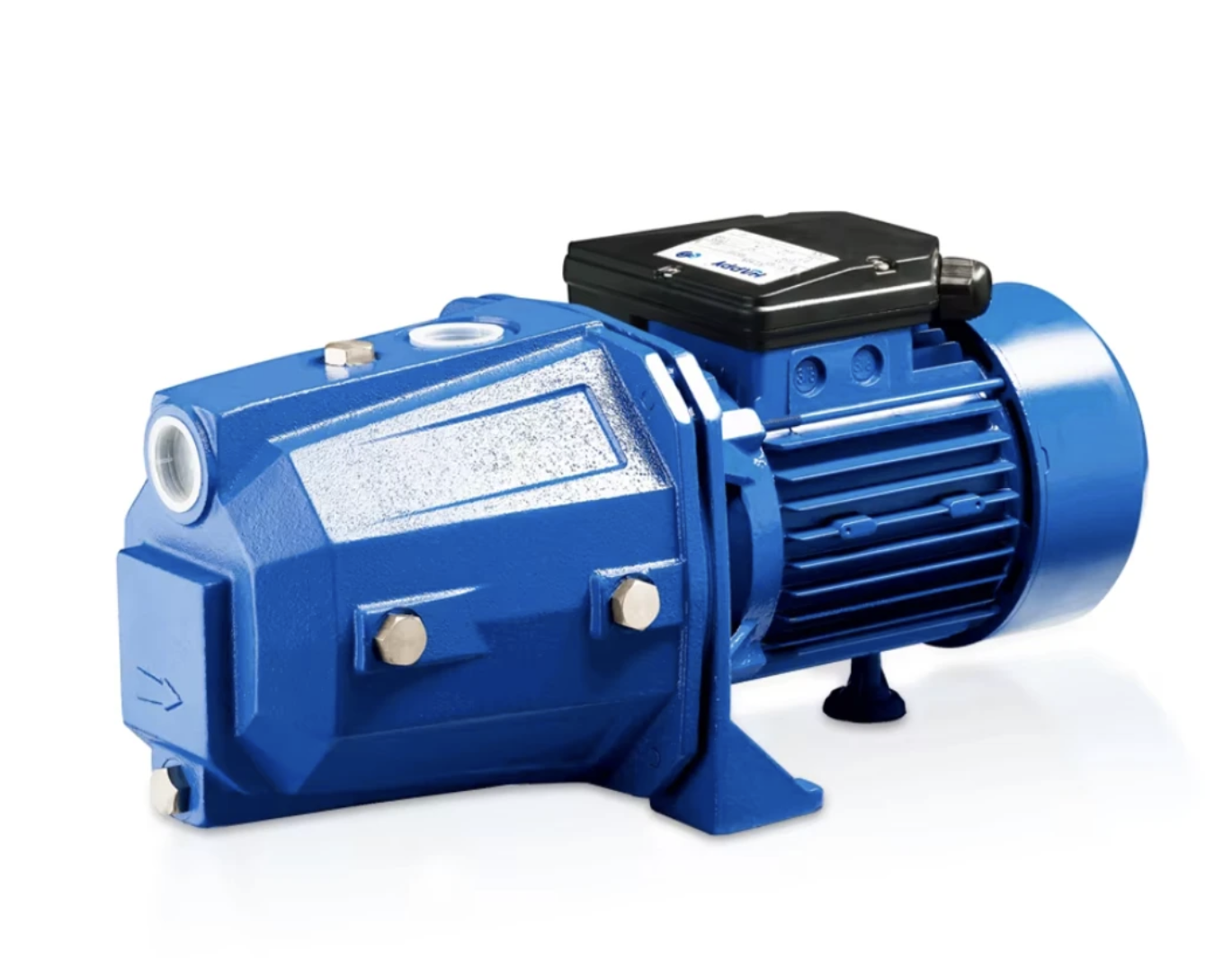
YOUR WATER PUMP NAME
Reliable water pumping solution designed for efficient water transfer, irrigation, agricultural, domestic, or industrial applications.
Max Flow rate | 3,000–3,600 L/hr
Suction Depth | 8-9 meters
What Is the Best Water Pump in Nigeria?
There is no single water pump that is best for every application.
For example:
- Boreholes and deep wells often require submersible pumps.
- Irrigation and water transfer may require centrifugal or gasoline-powered pumps.
- Homes and buildings with low water pressure may benefit from booster pumps.
- Remote locations without reliable electricity may require gasoline, diesel, or solar-powered pumps.
- Large-volume water transfer may require higher-capacity pumps with larger inlet and outlet sizes.
Pump selection should therefore start with the application rather than the brand or price alone. Pump manufacturers and selection guides similarly emphasise matching the pump to the required flow, pressure and water source.
What Is a Water Pump?
A water pump is a mechanical device designed to move water from one location to another.
Water pumps are used across Nigeria for applications such as:
- Residential water supply
- Borehole water pumping
- Farm irrigation
- Construction site dewatering
- Flood control
- Water transfer
- Industrial water supply
- Tank filling
- Drainage
- Livestock watering
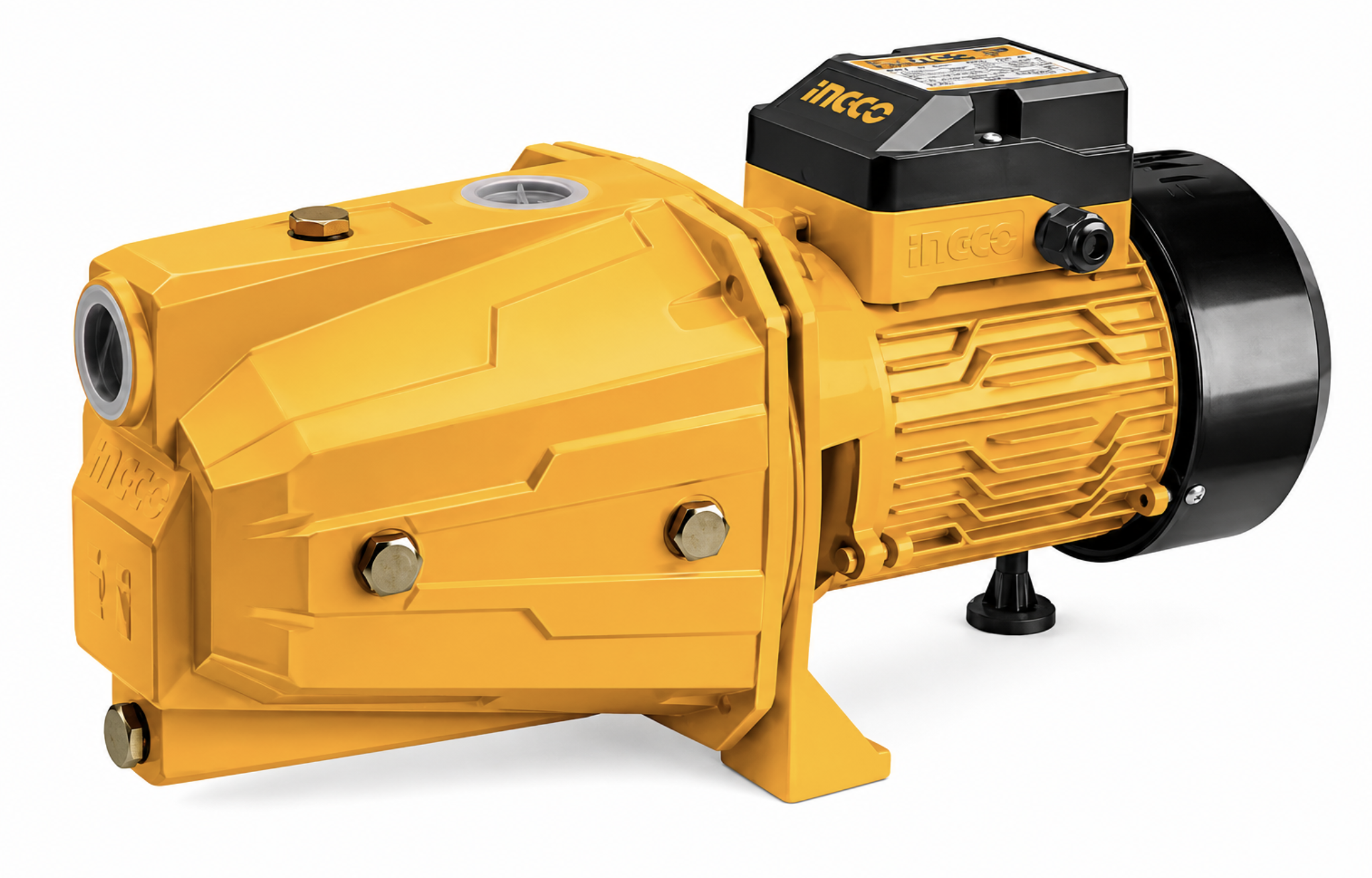
iNGCO jet pump 1hp
Reliable water pumping solution designed for efficient water transfer, irrigation, agricultural, domestic, or industrial applications.
SPEED | 3450rpm
FREQUENCY | 60Hz
Different water pumps are designed to handle different volumes of water, pressure levels, lifting heights and operating conditions.
Before buying a pump, it is important to understand that a pump that works well for irrigation may not be suitable for a borehole, while a pump designed for shallow water transfer may not be suitable for deep-water applications.
For a broader look at industrial pump selection, you can also read Tikweld's guide on choosing the right pump for industrial needs in Nigeria.
Types of Water Pumps in Nigeria
1. Centrifugal Water Pumps
Centrifugal pumps are among the most commonly used water pumps for transferring relatively clean water.
They use a rotating impeller to move water through the pump and are commonly used for:
- Water supply
- Irrigation
- Tank filling
- Water transfer
- Agricultural applications
- Construction projects
Best for:
- Farms
- Homes
- Small businesses
- Water transfer operations
Advantages
- Can move large volumes of water
- Widely available
- Suitable for many general water applications
- Relatively simple to operate
Things to consider
Centrifugal pumps are best selected according to the required flow rate and head. A pump with insufficient capacity may struggle to deliver the required water volume, while an oversized pump can increase operating costs unnecessarily.
2. Surface Water Pumps
Surface pumps are installed above the water source and draw water through a suction pipe.
They are commonly used when water is available from:
- Shallow wells
- Rivers
- Reservoirs
- Storage tanks
- Ponds
Surface pumps can be convenient because they are easier to access for inspection and maintenance.
However, suction limitations must be considered when selecting this type of pump.
Best for:
- Shallow water sources
- Water transfer
- Irrigation
- Tank filling
3. Submersible Water Pumps
Submersible pumps are designed to operate while submerged in water.
They are commonly used for:
- Boreholes
- Deep wells
- Underground water sources
- Drainage
- Dewatering
Because the pump operates inside the water source, submersible pumps are particularly useful for applications where the water source is too deep for a conventional surface pump.
According to Grundfos' pump selection guidance, submersible pumps are commonly used where water is supplied from boreholes and underground sources.
Best for:
- Boreholes
- Deep wells
- Deep water sources
Advantages
- Suitable for deep-water applications
- Can operate quietly
- Eliminates many suction-related limitations
Things to consider
Submersible pumps must be properly sized for the depth of the borehole, required flow rate and delivery height.
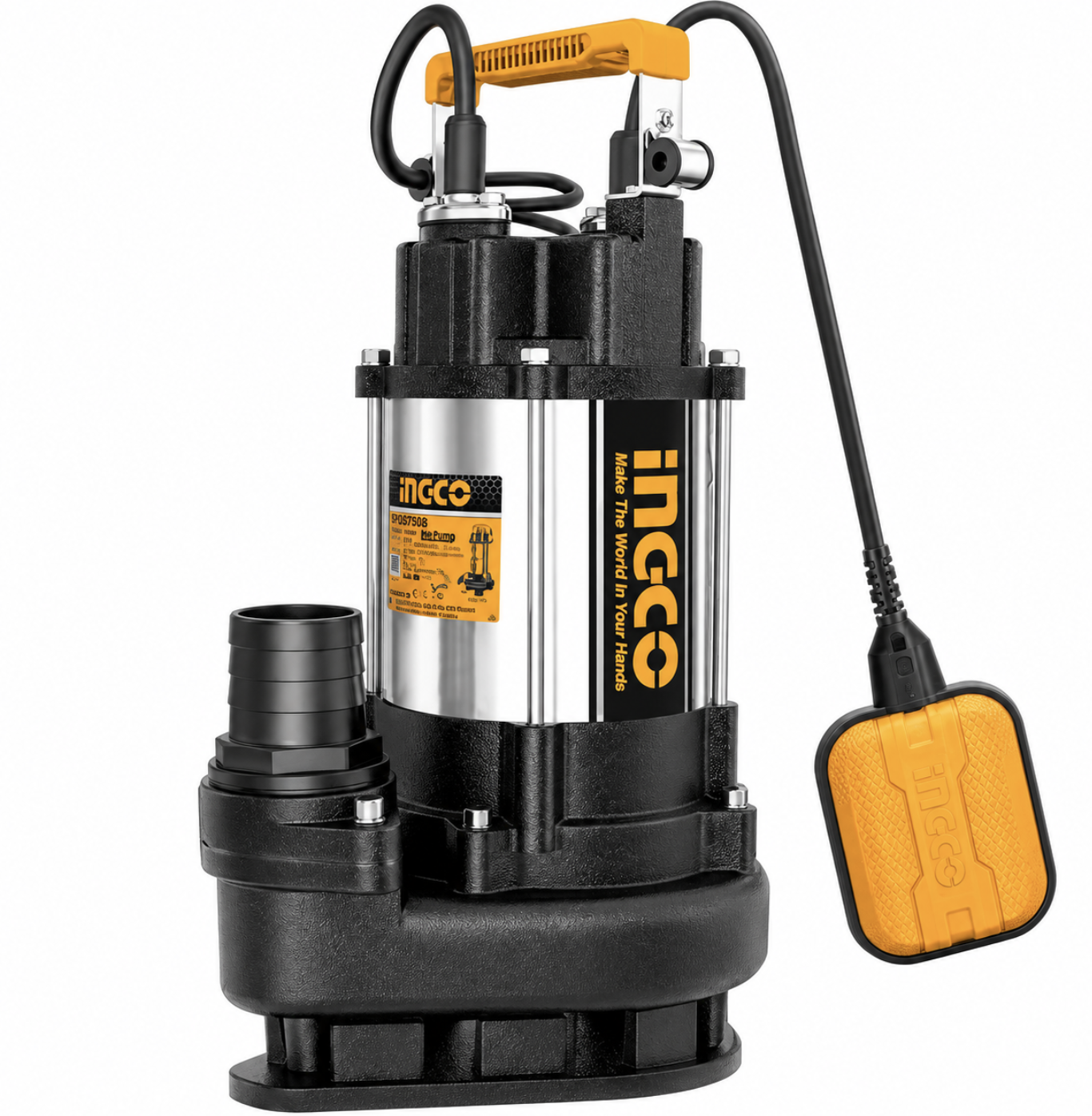
Ingco Sewage Submersible Pump SPDS7508
Reliable water pumping solution designed for efficient water transfer, irrigation, agricultural, domestic, or industrial applications.
Rated power | 750W(1.0HP)
Max.head |13m Max. flow:300L/min
4. Gasoline Water Pumps
Gasoline-powered water pumps are popular for applications where electricity is unavailable or unreliable.
They are commonly used for:
- Agriculture
- Irrigation
- Construction
- Emergency water transfer
- Remote locations
Gasoline pumps are portable and can be useful where mobility is important.
For example, Tikweld stocks pumps such as the Honda Water Pump WL30XH for demanding water transfer applications.
Best for:
- Farms
- Construction sites
- Remote locations
- High-volume water transfer
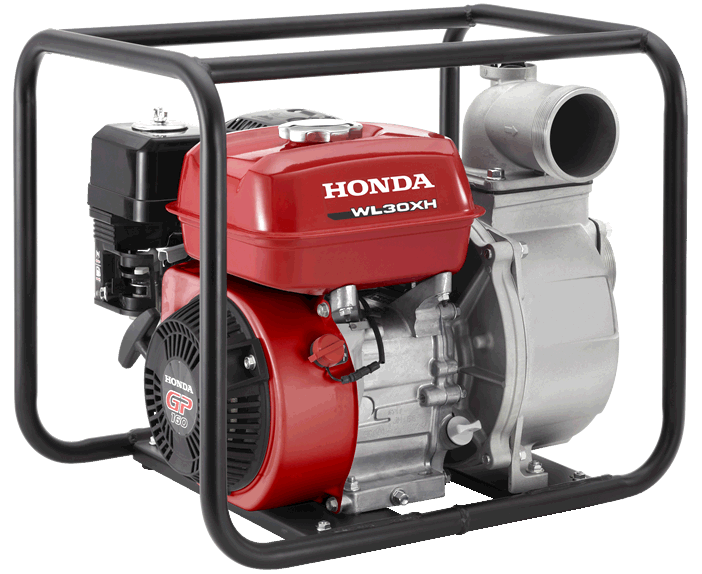
Honda WL30XH
Reliable water pumping solution designed for efficient water transfer, irrigation, agricultural, domestic, or industrial applications.
Type | Air cooled 4 stroke OHV Cylinder
HP | 4.9
Things to consider
Before buying a gasoline water pump, check:
- Engine power
- Fuel consumption
- Maximum flow rate
- Maximum head
- Suction height
- Inlet and outlet size
5. Diesel Water Pumps
Diesel water pumps are often selected for heavier-duty and longer-running applications.
They are commonly used for:
- Large farms
- Construction projects
- Industrial operations
- Mining
- Large-scale water transfer
Best for:
- Heavy-duty applications
- Extended operating periods
- Industrial projects
Diesel pumps can be a good choice when the application requires durability and sustained operation.
However, buyers should consider:
- Fuel availability
- Maintenance requirements
- Noise
- Operating costs
6. Solar Water Pumps
Solar water pumps use energy generated by solar panels to power the pumping system.
They are increasingly useful for:
- Agricultural irrigation
- Remote farms
- Rural water supply
- Borehole pumping
Solar-powered systems can reduce dependence on grid electricity or fuel, although the system must be properly designed according to the required pump capacity and available solar power.
Tikweld also offers solutions such as the Tescom Solar Direct Drive SDD55, designed to support compatible submersible or surface water pumping applications.
Best for:
- Farms
- Remote locations
- Solar irrigation
- Areas with unreliable electricity
Water Pump Prices in Nigeria: What Determines the Cost?
Water pump prices in Nigeria vary widely.
The price of a pump depends on factors such as:
- Pump type
- Brand
- Horsepower
- Engine type
- Flow capacity
- Maximum head
- Inlet and outlet size
- Construction material
- Power source
For example, a small pump designed for domestic use will usually cost differently from a large gasoline-powered pump designed for irrigation or industrial water transfer.
Rather than choosing based on price alone, buyers should compare the pump's technical specifications with the actual job.
The main factors that affect water pump prices include:
1. Horsepower
Higher-horsepower pumps generally provide greater pumping capability, depending on the pump design.
However, more horsepower does not automatically mean the pump is right for every application.
The pump must still be properly matched to:
- Required flow
- Pressure
- Head
- Pipe size
2. Flow Rate
Flow rate refers to how much water the pump can move within a specific period.
It may be expressed in:
- Litres per minute
- Litres per hour
- Cubic metres per hour
If you need to move large volumes of water quickly, flow rate should be one of your main considerations.
3. Maximum Head
Head refers to the height or pressure capability of the pump.
If water needs to be moved uphill or pumped to an elevated tank, the pump must have sufficient head to overcome the vertical distance and system resistance.
4. Pump Type
Submersible, centrifugal, gasoline, diesel and solar pumps all have different designs and applications.
This directly affects the price.
5. Brand and Build Quality
Well-built pumps may have higher upfront costs but can provide better durability, availability of spare parts and long-term reliability.
For important applications, buyers should also consider the total cost of ownership, including maintenance and downtime—not just the purchase price.
How to Choose the Right Water Pump
Choosing the right water pump becomes easier when you answer a few basic questions.
1. Where Is the Water Coming From?
Start with the water source.
Is the water coming from:
- A borehole?
- A shallow well?
- A river?
- A pond?
- A storage tank?
- A reservoir?
The water source will help determine whether you need:
- A surface pump
- A submersible pump
- A centrifugal pump
- Another specialised pumping solution
For example, a borehole generally requires a different approach from a surface-level storage tank.
2. How Deep Is the Water Source?
Depth is particularly important when selecting pumps for:
- Boreholes
- Wells
- Underground water sources
A shallow water source may be suitable for a surface pump, while deeper applications may require a properly sized submersible pump.
Always confirm the depth and the pump's operating specifications before installation.
3. How Much Water Do You Need?
This determines the required flow rate.
Ask:
- How many litres of water are needed?
- How quickly must the water be delivered?
- Is the pump serving one building or multiple users?
- Is the pump for irrigation or domestic use?
For irrigation, for example, the required flow may depend on:
- Farm size
- Number of sprinklers
- Irrigation method
- Distance to the water source
4. How High Does the Water Need to Travel?
This is where pump head becomes important.
You need to consider:
- Vertical height
- Horizontal pipe distance
- Pipe friction
- Bends and fittings
- Storage tank height
A pump must be selected based on the complete system requirements—not simply the distance from the water source.
5. What Power Source Is Available?
The available power source can significantly influence your pump choice.
Electricity available?
An electric pump may be suitable.
No reliable electricity?
Consider:
- Gasoline pumps
- Diesel pumps
- Solar pumping systems
For remote agricultural locations, solar-powered pumping can be particularly useful where the system is properly designed for the required water demand.
6. What Is the Pump Being Used For?
Your application should guide your decision.
For a borehole
Consider a properly sized submersible pump.
For irrigation
Consider centrifugal, gasoline or solar-powered pumping systems depending on the water source and farm requirements.
For construction
You may need a portable high-capacity pump for water transfer or dewatering.
For homes
Consider the required water pressure, flow rate and source.
For large-scale water transfer
Higher-capacity pumps with suitable inlet and outlet sizes may be required.
Water Pump Size: Understanding Horsepower, Flow and Head
One of the most common mistakes when buying a water pump is choosing based only on horsepower.
Horsepower is important, but it is only one part of pump selection.
A proper selection should consider:
Flow rate
How much water must be delivered?
Head
How high must the water be pumped?
Distance
How far must the water travel?
Pipe size
Undersized pipes can affect system performance.
Application
A pump for irrigation may have different requirements from a pump for a borehole.
Pump manufacturers such as Grundfos provide pump selection and sizing resources because flow, pressure and operating conditions must work together when selecting a suitable pump.
Water Pumps for Boreholes in Nigeria
For boreholes, the main questions are:
- How deep is the borehole?
- What is the water level?
- What flow rate is required?
- How high will the water be pumped?
- What is the delivery pipe size?
Submersible pumps are commonly used for boreholes because they operate within the water source.
However, selecting the wrong size can result in:
- Poor water pressure
- Low flow
- Excessive energy consumption
- Frequent breakdowns
- Premature pump failure
For this reason, borehole pump selection should ideally be based on the actual borehole depth and required water demand.
Water Pumps for Agriculture and Irrigation
Agricultural water pumping requirements vary significantly.
A small vegetable farm may require a different pump from a large irrigation project.
When choosing an agricultural water pump, consider:
- Water source
- Farm size
- Required water volume
- Irrigation method
- Distance
- Available power
Gasoline pumps are commonly used for mobile irrigation and remote locations, while solar pumping systems can provide an alternative where sufficient solar energy is available.
For larger agricultural operations, pump selection should also consider operating hours and long-term running costs.
Water Pumps for Homes and Residential Buildings
For homes and residential properties, the right pump depends on:
- Water source
- Number of bathrooms
- Number of occupants
- Storage tank location
- Required water pressure
Homes experiencing low water pressure may require a booster solution, while borehole systems may require a submersible pump and supporting control equipment.
For automated operation, devices such as the INGCO Automatic Pump Control WAPS002 can be used in compatible pumping systems according to the manufacturer's installation requirements.
Common Mistakes to Avoid When Buying a Water Pump
Choosing Based Only on Price
The cheapest pump may not meet the required flow or head.
Choosing Based Only on Horsepower
Horsepower alone does not determine whether the pump is suitable.
Ignoring Pipe Size
Incorrect pipe sizing can affect water flow and pump performance.
Buying the Wrong Pump Type
A surface pump and a submersible pump are designed for different applications.
Ignoring Maintenance and Spare Parts
Before buying, consider whether:
- Spare parts are available
- Technical support is accessible
- The pump can be maintained locally
Not Checking the Water Source
The depth and condition of the water source should always be considered before selecting a pump.
How to Maintain a Water Pump
Proper maintenance can help improve pump reliability and reduce unexpected downtime.
Basic maintenance may include:
- Checking for leaks
- Inspecting hoses and pipes
- Cleaning filters where applicable
- Checking oil levels for engine-driven pumps
- Inspecting seals and connections
- Monitoring unusual noise or vibration
- Ensuring the pump is not operating outside its recommended conditions
If a pump begins to lose pressure, overheat, make unusual noise or stop delivering water properly, the problem should be investigated early.
You can also explore Tikweld's existing pump selection and maintenance resources through the industrial pump selection guide.
Frequently Asked Questions About Water Pumps in Nigeria
What type of water pump is best for a borehole?
Submersible pumps are commonly used for boreholes because they are designed to operate within the water source. The correct pump should be selected based on borehole depth, water level, required flow and delivery height.
Which water pump is best for irrigation?
The best pump depends on the water source, farm size and required flow. Centrifugal, gasoline and solar-powered pumps are commonly used for irrigation applications.
How do I know the right water pump size?
You need to consider the required flow rate, pumping height, distance, pipe size and application. A pump supplier or qualified technician can help size the pump for more complex applications.
What does pump head mean?
Pump head generally refers to the pump's ability to move water against elevation and system resistance. The required head depends on vertical lift, pipe length and other system factors.
Is a gasoline water pump better than an electric water pump?
Neither is universally better. Gasoline pumps are useful where electricity is unavailable or where mobility is important. Electric pumps can be suitable where a reliable power supply is available.
How much does a water pump cost in Nigeria?
Water pump prices vary depending on the type, horsepower, flow capacity, brand, power source and application. It is best to compare the pump's specifications and suitability rather than choosing based on price alone.
Conclusion
The right water pump depends on the job.
Before making a purchase, identify:
- Your water source
- The depth of the water source
- The amount of water you need
- How high the water must be pumped
- The available power source
- Your budget and long-term operating costs
Whether you need a water pump for irrigation, borehole water supply, construction, domestic use or industrial water transfer, choosing the right specifications is more important than simply choosing the biggest or cheapest pump.
For more information, you can explore Tikweld's range of pumping equipment and water transfer solutions or speak with a product specialist about the most suitable option for your application.
Newest Guide & Blog Updates

Free Online Epoxy Flooring Training in Nigeria Scheduled for October 2026
Professionals, artisans, contractors and individuals interested in epoxy flooring will have an oppor...
Epoxy Resin and Hardener Mixing Ratio: A Complete Guide
Introduction If you are using epoxy resin for flooring, coating, casting or other applications, one...

How Much Epoxy Resin Do You Need for Flooring? Coverage & Calculation Guide
How Much Epoxy Resin Do You Need for Flooring? Coverage & Calculation Guide Calculating the amount o...
How to Remove Heavy Oil and Grease from Industrial Equipment
Introduction Heavy oil, grease and industrial grime can build up on machinery, engines, mechanical c...

Antirust Degreaser: How It Cleans and Protects Metal Surfaces
Introduction Industrial equipment and metal components are often exposed to two common maintenance p...
Citrus Degreaser vs Heavy-Duty Degreaser: What's the Difference?
Introduction Oil, grease and industrial dirt can build up on machinery, workshop equipment, metal su...