
Types of Welding Equipment and Their Uses in Nigeria
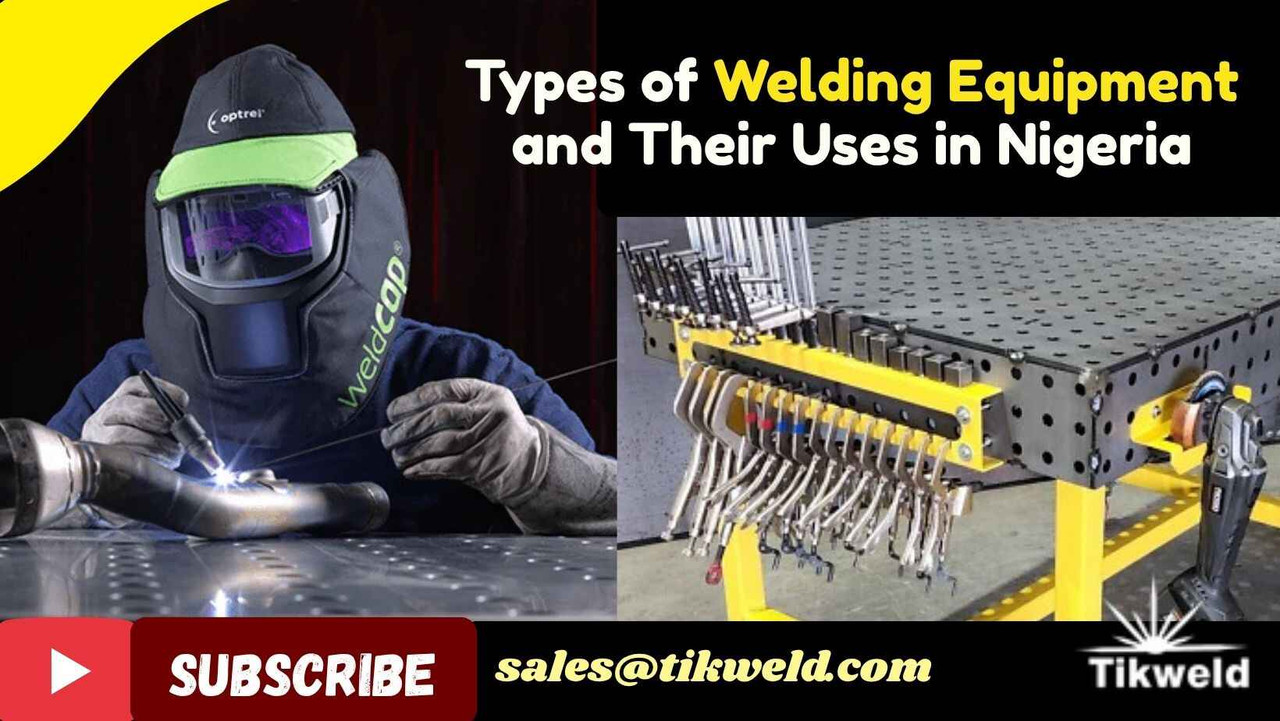
Introduction
Welding is one of the most important processes in Nigeria’s construction, manufacturing, and oil & gas industries. From fabricating metal gates to assembling offshore rigs, welding connects the foundation of industrial growth. However, the type of welding equipment you choose determines the strength, quality, and cost-efficiency of your work.
In 2025, Nigerian professionals and small workshop owners are increasingly adopting modern welding technologies, machines that are lighter, more energy-efficient, and designed for specific applications. At Tikweld Welding Supplies and Services, we supply a wide range of industrial-grade welding machines, tools, and accessories from trusted global brands to help fabricators, engineers, and maintenance professionals achieve high-quality results.
Whether you are setting up a fabrication workshop, working in marine repairs, or handling onsite industrial maintenance, understanding the different types of welding equipment and their specific uses will help you choose the right tool for the job.
Key Takeaway: The right welding equipment boosts productivity, ensures safety, and guarantees long-term performance.
Understanding Welding Equipment
Before diving into the different types, it’s essential to understand what welding equipment really means. Welding equipment refers to machines and tools used to join metals by applying heat, pressure, or both. These machines differ by process type, power source, and intended application.
At its core, every welding machine creates enough heat to melt metal parts, allowing them to fuse together when cooled. However, depending on the metal thickness, job type, and environment, the equipment used can vary widely from MMA (Manual Metal Arc) welders to TIG (Tungsten Inert Gas) and MIG (Metal Inert Gas) systems.
Welding machines are also categorized based on the energy source (electric, gas, or hybrid) and the output method (AC/DC current).
Choosing the right one depends on the type of material you are welding and the level of precision required.
Major Types of Welding Equipment
Arc Welding Machines (MMA / Stick Welders)
Arc welding machines are among the most common types used in Nigeria. They operate by creating an electric arc between a coated electrode and the metal workpiece, melting both and fusing them together.
These machines are simple, robust, and ideal for construction sites, fabrication workshops, and repair jobs.
Uses:
- Building construction and reinforcement work
- Metal gates, frames, and steel furniture
- Marine and pipeline repairs
Example:
The Maxmech MMA Welding Machine is one of the most reliable options for Nigerian welders offering stable current, efficient cooling, and easy portability.
MIG Welding Machines (Metal Inert Gas)
MIG welding uses a continuous wire feed and shielding gas to protect the weld pool from contamination. It produces clean, smooth welds and is known for speed and efficiency ideal for high-volume work or automotive fabrication.
Uses:
- Automobile repairs and manufacturing
- Fabrication of mild steel and stainless steel structures
- Metal furniture and production workshops
Example:
The MIG-250 Industrial Welder, available from Tikweld, provides consistent feed speed, advanced gas shielding, and stable voltage perfect for professionals seeking a durable machine for frequent use.
TIG Welding Machines (Tungsten Inert Gas)
TIG welding is known for its precision, control, and aesthetic finish. It uses a non-consumable tungsten electrode with an inert gas (usually argon) to produce a high-quality weld. TIG welders are ideal when appearance and accuracy matter most.
Uses:
- Aerospace and aircraft parts
- Stainless steel, aluminum, and non-ferrous metal fabrication
- Fine artistic metalwork and small-scale engineering
Example:
The Kaierda TIG-250 Professional Welder delivers precise arc control, superior gas shielding, and low spatter ideal for clean, professional welds in sensitive applications.
Spot Welding Machines
Spot welding uses electrical resistance and pressure to fuse two or more thin metal sheets at localized points. It’s widely used in industries that work with light-gauge metals.
Uses:
- Automotive body panel welding
- Electrical enclosures and cabinets
- Manufacturing of household metal products
These machines are commonly found in industrial production lines due to their speed and repeatability.
Gas Welding and Cutting Equipment
Gas welding (Oxy-Acetylene) uses the combustion of oxygen and acetylene gases to generate heat for welding or cutting metal. This traditional method remains valuable for portable and repair work.
Uses:
- Plumbing, pipeline, and HVAC installations
- General maintenance and small-scale fabrication
- Metal cutting and brazing operations
Example:
The Oxy-Acetylene Welding Set, available at Tikweld, includes regulators, hoses, and torches for versatile on-site welding and cutting operations.
Specialized Welding Tools and Accessories
Welding goes beyond machines to achieve accuracy, safety, and durability, every welder needs the right support tools and accessories. These items not only make the job easier but also protect both the welder and the equipment. Below are the most essential tools that complement welding machines:
Welding Helmets and Personal Protective Equipment (PPE)
Safety always comes first in welding. Helmets protect the eyes and face from UV radiation and sparks, while gloves, aprons, and boots prevent burns and electrical shocks.
At Tikweld, we supply a range of auto-darkening helmets, heat-resistant gloves, and industrial safety boots ideal for both indoor workshops and outdoor sites.
Cables, Clamps, and Electrode Holders
Good conductivity is vital for smooth current flow. Heavy-duty copper welding cables and electrode holders ensure minimal power loss and stable arcs.
Regular inspection and cleaning of these accessories help prevent voltage drops and overheating during welding operations.
Regulators, Hoses, and Gas Cylinders
For gas and MIG/TIG welding, precise gas flow is crucial. High-quality oxygen and acetylene regulators with reinforced hoses help maintain consistent flame control and reduce leak risks.
Tikweld’s partnerships with Epoxy Oilserv and GZ Industrial Supplies ensure customers get genuine, pressure-tested cylinders and regulators that meet safety standards.
Welding Tables and Positioners
A stable work surface makes welding safer and more accurate. Adjustable welding tables and rotary positioners allow welders to access complex angles comfortably.
These are especially important for fabrication shops and industrial assembly lines where consistent quality is key.
Cleaning and Maintenance Products
Post-weld cleaning is as essential as the welding itself. Using anti-spatter sprays, grinding wheels, and Epochem industrial cleaning chemicals from Epoxy Oilserv helps remove residue, extend tool life, and prepare surfaces for painting or coating.
Pro Tip: Investing in the right accessories not only improves quality but also reduces machine downtime and maintenance costs over time.
Industry Applications of Welding Equipment in Nigeria
Nigeria’s industrial growth depends heavily on the versatility of welding. Different sectors rely on specialized welding equipment to ensure reliability, safety, and strength in metal structures. Below are the main industries where welding plays a key role and how Tikweld Welding Supplies and Services supports them.
Construction and Structural Engineering
Welding forms the backbone of Nigeria’s infrastructure projects bridges, buildings, and road reinforcements.
Arc and MIG welders are commonly used to fabricate steel beams, gates, and handrails.
Tikweld supplies portable and high-power welding machines designed for rugged site conditions, ensuring reliable performance even under fluctuating power supply.
Oil and Gas Industry
From pipeline installation to offshore rig maintenance, welding equipment is indispensable in the oil and gas sector.
Tikweld works closely with Epoxy Oilserv to supply certified TIG, MIG, and pipeline welding machines that meet strict industry standards for corrosion resistance and pressure integrity.
Automotive and Transportation
Auto workshops and assembly plants use welding for vehicle frames, exhausts, and body repairs.
MIG and Spot welders are ideal for this sector because they produce neat, fast, and durable welds on thin sheets.
Tikweld provides DongCheng and Maxmech series welders, which are highly efficient for continuous operation in automotive environments.
Marine and Shipbuilding Sector
Marine welders rely on arc and TIG machines for hull fabrication, deck repair, and structural reinforcement of vessels and barges.
Tikweld supplies welding solutions compatible with harsh marine environments, supported by Epoxy’s marine-grade lubricants, anti-corrosive chemicals, and cleaning agents.
Manufacturing and Fabrication Workshops
Metal fabrication and production companies use multiple welding processes daily for machinery assembly, custom metalworks, and furniture production.
Tikweld’s range of industrial-grade welding equipment and consumables ensures maximum efficiency and long-term reliability for small, medium, and large-scale operations.
How to Choose the Right Welding Equipment
Selecting the right welding equipment can make all the difference between high-quality output and wasted materials. Here’s how professionals and workshop owners in Nigeria can make the right decision:
Define Your Application
Ask yourself- what will you weld most often?
- Mild steel or iron: Arc or MIG welders are perfect.
- Stainless steel and aluminum: TIG welders give precision and clean results.
- Thin metal sheets: Spot welders are the most efficient.
Your project type and material thickness should guide your equipment choice.
Consider Power Source and Location
In Nigeria, where voltage fluctuation is common, it’s important to choose a welding machine that can handle variable power input.
- Single-phase welders (220V) – suitable for small workshops and on-site repairs.
- Three-phase welders (415V) – ideal for heavy-duty industrial and fabrication jobs.
If you work outdoors or at remote job sites, consider portable inverter welders that combine lightweight design with high efficiency.
Check Duty Cycle and Output
The duty cycle determines how long a welder can operate continuously before needing to cool down. A machine with a higher duty cycle (like 60%–80%) is perfect for industrial and professional use.
Tip: Always buy a machine slightly above your regular output needs—it ensures longer lifespan and consistent weld quality.
Evaluate Brand and After-Sales Support
Reliable brands such as DongCheng, Maxmech, and Ingco are known for performance and service support in Nigeria. Tikweld’s partnership with GZ Industrial Supplies ensures genuine products, spare parts, and nationwide maintenance coverage.
Maintenance and Safety Tips for Welding Equipment
Proper care of welding machines not only improves output but also prevents accidents and downtime.
Here are key tips from Tikweld’s maintenance experts:
Regular Cleaning and Inspection
After every job, clean spatter, dust, and residue from vents and connectors. Dirt buildup can cause overheating or irregular current flow.
Keep Cables and Connections Tight
Loose or corroded cables reduce power transfer and may lead to electric shocks. Use high-quality copper cables and inspect them weekly.
Check Gas and Regulator Systems (for MIG/TIG)
Always inspect hoses and regulators for leaks or blockages. Faulty regulators can alter gas pressure, affecting weld quality.
Avoid Moisture Exposure
Store machines in dry, ventilated environments. Humidity can cause rust or short-circuit sensitive components.
Follow Manufacturer Guidelines
Each machine has specific operating limits. Stick to recommended duty cycles and electrode sizes to maintain consistent performance.
Where to Buy Welding Machines in Nigeria
Purchasing genuine welding equipment is critical for safety and performance.
Here’s why professionals trust Tikweld Welding Supplies and Services:
- Certified Partnerships: We source directly from trusted brands like Maxmech, Kaierda.
- Comprehensive Range: From Arc, MIG, TIG, and Spot welders to gas kits and PPE, all under one roof.
- Nationwide Delivery: Fast, reliable delivery through our partners at GZ Industrial Supplies and Epoxy Oilserv Nigeria Limited.
- Technical Support: On-site installation, maintenance, and staff training for workshops and industrial clients.
Frequently asked questions
1. What type of welding machine is best for beginners?
A simple Arc (MMA) inverter welder is best for beginners. It’s affordable, easy to use, and perfect for small fabrication or household repairs.
2. What’s the difference between TIG and MIG welding?
TIG welding provides cleaner, more precise welds using a tungsten electrode and gas shield.
MIG welding uses a continuous wire feed and is faster for large-scale work.
3. How often should welding machines be serviced?
Professional welders should service their machines every 3–6 months, depending on usage. Always inspect cables, vents, and electrodes weekly.
4. Can I use a welding generator if my site lacks electricity?
Yes. Portable welding generators are available at Tikweld and are ideal for construction sites or rural projects.
Related Article
Different Types of Welding processes in Nigeria
12 essential welding equipment for fabrication work
Welding Machine Types Explained: Choosing the Right One for Your Project
Conclusion
Welding equipment is the backbone of Nigeria’s growing industrial and construction sectors. Understanding the right type of machine, using proper accessories, and maintaining your tools can dramatically improve both productivity and safety.
At Tikweld Welding Supplies and Services, we help welders, engineers, and industrial clients find the best tools for every job from portable inverter welders to industrial-grade TIG systems.
Visit www.tikweld.com today or email sales@tikweld.com to request a quotation.
Tikweld- Your Reliable Partner in Welding Equipment, Tools, and Industrial Solutions in Nigeria.
Newest Guide & Blog Updates
Kaierda Inverter Welding Machines in Nigeria: Models, Specs and Price Guide
Introduction In Nigeria’s fast-growing industrial and construction sectors, welding remains one of t...
Best TIG Welding Machine for Stainless Steel Fabrication in Nigeria (2026 Guide)
Introduction Stainless steel fabrication is a critical part of many industries in Nigeria, including...
Stop Damaging Your Battery: Use Electrolyte and Distilled Water Correctly
Introduction Most battery failures don’t happen because the battery is bad, they happen because of w...
Crimping Machine Guide: Types, Uses and Buying Tips (2026)
Introduction In modern electrical and industrial systems, the quality of connections determines the...
Distilled Water for Batteries: Why It Matters for Industrial and Automotive Batteries
Introduction Batteries are essential components in modern industrial operations, vehicles, backup po...
Tubular Battery Explained: Types, Prices, and Best Options in Nigeria
Introduction Reliable electricity remains a major challenge across Nigeria. Frequent power outages a...