
Industrial Arc Welding Machines in Nigeria: Transformer vs Inverter (Which Is Best?)

Introduction
Nigeria’s construction, oil & gas, fabrication, and manufacturing sectors continue to expand rapidly. From high-rise developments in Lagos to offshore platform maintenance in Port Harcourt, welding remains one of the most critical industrial processes.
When purchasing an industrial arc welding machine in Nigeria, one of the most common questions buyers ask is:
Should I choose a transformer welding machine or an inverter welding machine?
Both technologies are widely used across Nigeria. However, power stability, generator usage, environmental conditions, and project type all influence which option is best.
This comprehensive guide explains the differences, advantages, limitations, and ideal applications of transformer vs inverter arc welding machines, helping industrial buyers make the right decision.
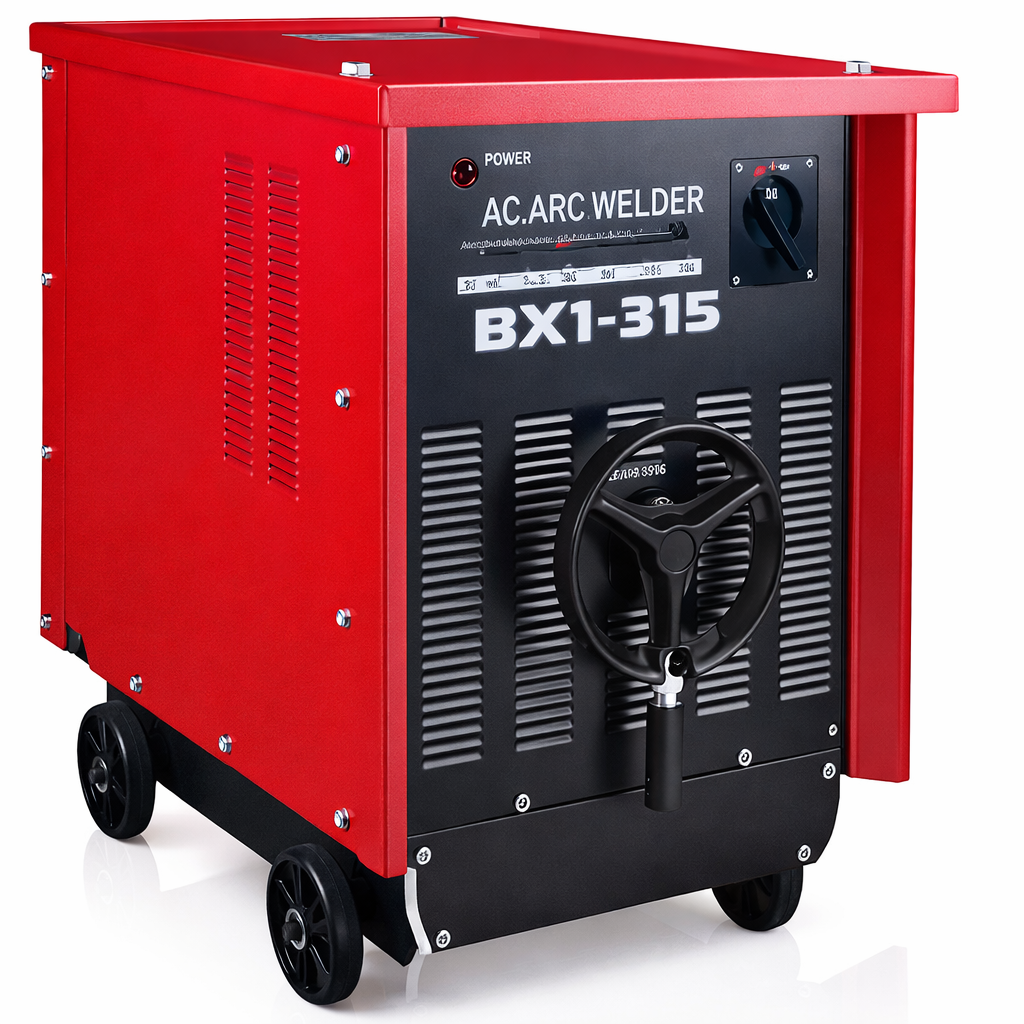

What Is an Industrial Arc Welding Machine?
Arc welding, also known as MMA (Manual Metal Arc) welding, is one of the most widely used welding processes in Nigeria.
It works by creating an electric arc between an electrode and the metal workpiece, generating enough heat to melt and fuse metals together.
Industrial arc welding machines are typically used for:
-
Structural steel fabrication
-
Construction site welding
-
Equipment repair
-
Oil & gas reinforcement work
-
Heavy machinery maintenance
Arc welding dominates industrial projects because it is:
-
Durable
-
Cost-effective
-
Suitable for outdoor use
-
Compatible with thick steel
-
Less sensitive to wind and site conditions
However, the internal technology of the welding machine — transformer or inverter — makes a significant difference.
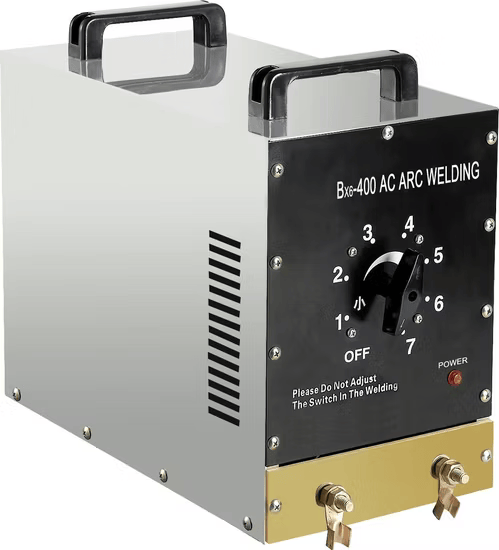

Transformer vs Inverter Welding Machines Explained
Understanding the technology behind each machine helps you choose correctly.
What Is a Transformer Welding Machine?
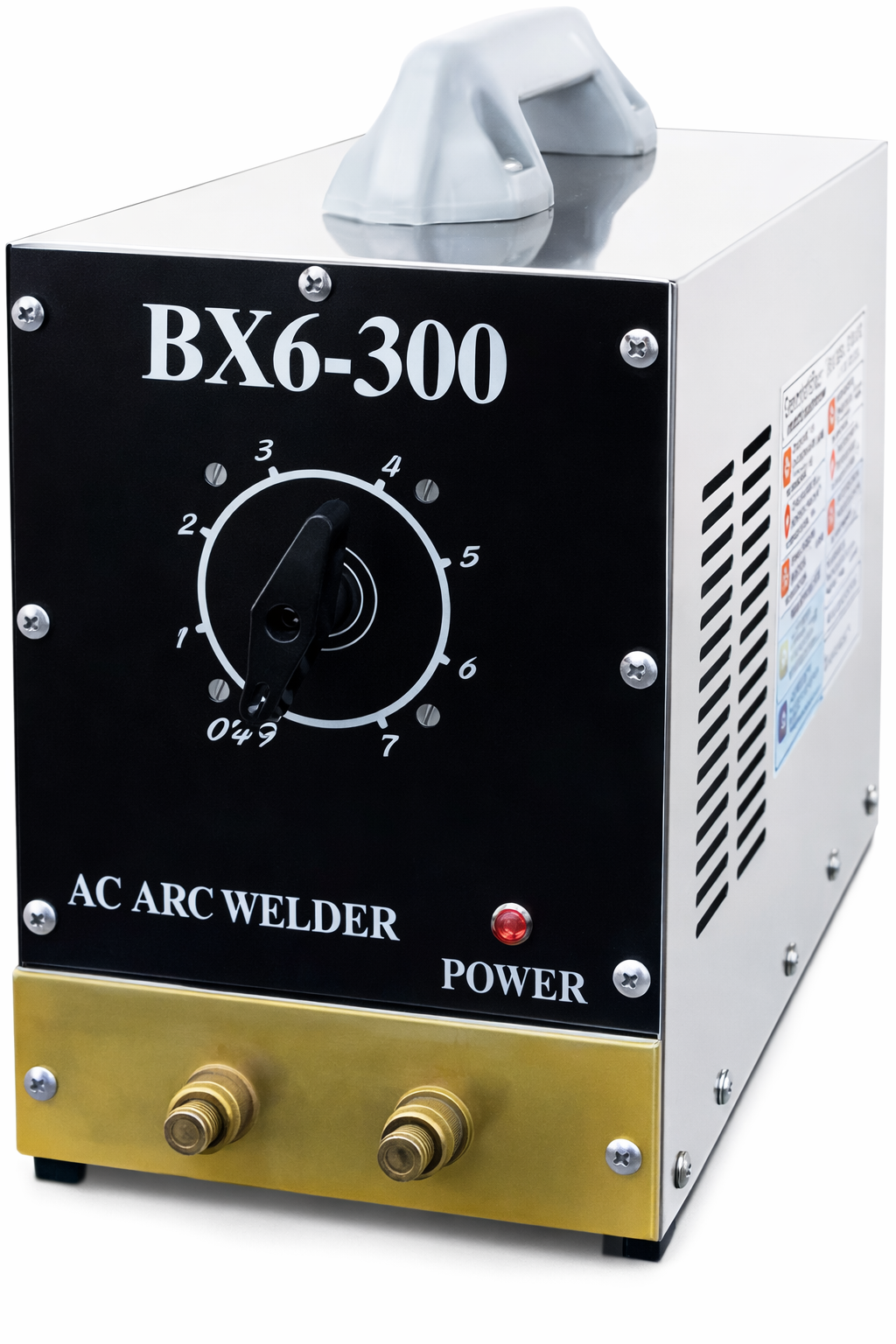
Transformer welding machines are the traditional type of arc welder. They use large copper or aluminum windings to step down voltage and increase current to suitable welding levels.
Characteristics of Transformer Welders
-
Large and heavy
-
Simple internal structure
-
Mechanically robust
-
Designed for long-term rugged use
-
Usually air-cooled
Advantages of Transformer Welding Machines
- Extremely durable
- Tolerates voltage fluctuation
- Strong arc penetration
- Long operational lifespan
- Suitable for harsh outdoor conditions
Transformer welders are often preferred on construction sites where equipment is exposed to dust, heat, and rough handling.
Disadvantages of Transformer Welding Machines
- Heavy and bulky
- Higher power consumption
- Less precise arc control
- Not easily portable
- Requires higher input current
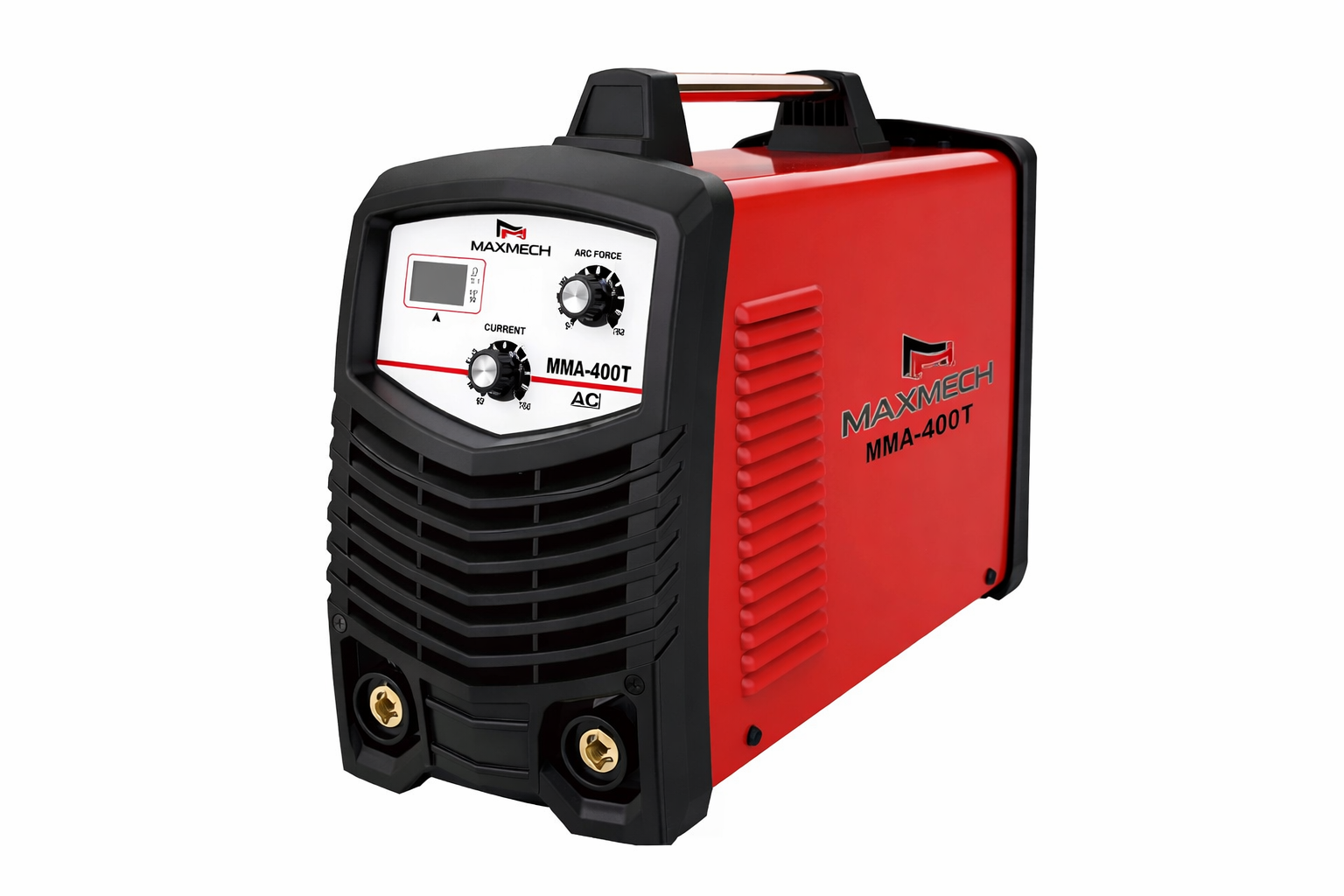
What Is an Inverter Welding Machine?
Inverter welding machines use advanced electronic circuitry to convert AC power into high-frequency DC, allowing more precise current control.
They are modern, compact, and energy-efficient.
Characteristics of Inverter Welders
-
Lightweight and portable
-
Digital control systems
-
Stable arc performance
-
Adjustable current settings
-
Energy-efficient
Advantages of Inverter Welding Machines
- Smooth and stable arc
- Energy efficient
- Lightweight and portable
- Lower power consumptio
- Better control for thin materials
Disadvantages of Inverter Welding Machines
- More sensitive to dust and moisture
- Requires stable voltage
- Higher initial purchase cost
- Electronic components may require technical servicing
Power Stability in Nigerian Conditions
Power stability is one of the most important factors in Nigeria when selecting a welding machine.
Electricity supply can vary significantly depending on:
-
Location (urban vs rural)
-
Grid reliability
-
Site-based power supply
-
Generator usage
How Transformer Welders Perform Under Voltage Fluctuation
Transformer welding machines are generally more tolerant of:
-
Voltage drops
-
Power surges
-
Generator inconsistency
Because they rely on simpler mechanical components, they are less sensitive to electrical instability.
For remote construction sites where power conditions are unpredictable, transformer welders often perform more reliably.
How Inverter Welders Perform in Nigerian Conditions
Inverter welding machines require:
-
Stable voltage
-
Proper grounding
-
Clean power input
Voltage spikes and severe fluctuations may damage internal circuitry if protective systems are inadequate.
However, when used with properly sized generators or stabilized power systems, inverter welders perform excellently in Nigeria.
Generator Compatibility Guide
Many industrial welding operations in Nigeria depend heavily on generators.
Choosing the wrong generator size can result in:
-
Poor arc stability
-
Machine damage
-
Overheating
-
Frequent shutdown
Why Generator Matching Is Important
Welding machines draw high current during arc initiation. If the generator cannot handle this load:
-
Voltage will drop
-
Weld quality will suffer
-
Machine components may be stressed
Basic Generator Sizing Rule
As a general guideline:
Generator capacity should be 1.5 to 2 times the welding machine’s input requirement.
For example:
-
A 400A welding machine may require a significantly larger generator to operate efficiently.
Transformer vs Inverter on Generators
| Feature | Transformer Welder | Inverter Welder |
|---|---|---|
| Generator Tolerance | High | Moderate |
| Voltage Sensitivity | Low | Higher |
| Fuel Efficiency | Lower | Higher |
| Power Consumption | Higher | Lower |
| Start-Up Current Surge | High | Lower |
Inverter welders are generally more fuel-efficient but require a cleaner generator output.
Comparison of Industrial Welding Machine Models
Below is a sample comparison of five industrial arc welding machine types commonly used in Nigeria.
| Model Type | Technology | Amperage | Ideal Application | Power Type | Portability |
|---|---|---|---|---|---|
| 400A Transformer | Transformer | 400A | Structural steel | 3-phase | Low |
| 315A Transformer | Transformer | 315A | Construction | 3-phase | Low |
| 500A Inverter | Inverter | 500A | Offshore fabrication | Generator compatible | Medium |
| 250A Inverter | Inverter | 250A | Workshop use | Single-phase | High |
| 300A Inverter | Inverter | 300A | Medium fabrication | Single-phase | High |
Ideal Use Cases by Industry
Different industries have different requirements.
Construction Projects
-
Structural steel welding
-
Outdoor site welding
-
Reinforcement beams
-
Heavy plate welding
Recommended: Transformer welding machines (especially 315A–400A).
Offshore & Oil & Gas
-
Pipe welding
-
Platform reinforcement
-
Heavy industrial repair
Recommended: High-capacity inverter welders or heavy-duty transformer models.
Fabrication Workshops
-
Gates and doors
-
Tanks and frames
-
Light to medium structural components
Recommended: 250A–315A inverter welders for portability and efficiency.
Industrial Manufacturing
-
Continuous production
-
Controlled indoor environment
-
Energy-conscious operations
Recommended: Inverter welding machines due to efficiency and arc stability.
Long-Term Cost Comparison
Industrial buyers should evaluate total ownership cost, not just purchase price.
Energy Consumption
Inverter welders:
-
Consume less electricity
-
Reduce generator fuel cost
Transformer welders:
-
Higher energy consumption
-
Higher operational cost over time
Maintenance Cost
Transformer:
-
Simpler components
-
Lower electronic complexity
-
Durable in dusty conditions
Inverter:
-
Requires clean environment
-
May need specialized servicing
Lifespan
Transformer welding machines often last longer under extremely rough site conditions.
Inverter welders last long when properly maintained and protected from dust and voltage spikes.
Buying Checklist: Transformer or Inverter?
Before purchasing an industrial arc welding machine in Nigeria, ask:
- What material thickness will you weld?
- What amperage capacity do you need?
- Is power stable in your location?
- Will you operate primarily on a generator?
- Is portability important?
- Indoor or outdoor use?
- What is your budget range?
- Will the machine operate continuously?
When to Choose a Transformer Welding Machine
Choose transformer if:
-
Site conditions are rough
-
Voltage fluctuation is frequent
-
Machine will remain stationary
-
Heavy structural welding is primary task
When to Choose an Inverter Welding Machine
Choose inverter if:
-
You need portability
-
Power consumption is a concern
-
You operate in a workshop
-
You require smooth arc control
-
You want energy efficiency
Frequently Asked Questions
1. Which welding machine is better for Nigeria — transformer or inverter?
It depends on application and power stability. Transformer welders handle unstable power better, while inverter welders are more energy efficient and portable.
2. Can inverter welding machines run on generators?
Yes, but the generator must be properly sized and deliver stable voltage.
3. What is the lifespan of a transformer welding machine?
With proper maintenance, transformer welding machines can last many years in heavy-duty environments.
4. How much is an industrial arc welding machine in Nigeria?
Prices vary based on amperage, technology, and brand. Capacity and power configuration influence pricing significantly.
5. Which welding machine is best for construction sites?
Transformer welding machines are often preferred for construction due to durability and voltage tolerance.
6. Do inverter welders consume less electricity?
Yes, inverter welders are generally more energy efficient compared to transformer welders.
7. What size generator is needed for a 400A welding machine?
Generator capacity should typically be 1.5–2 times the welding machine’s input rating to ensure stable performance.
Conclusion
There is no universal “best” welding machine, the right choice depends on application, environment, and power conditions.
For Nigerian industrial projects:
-
Transformer welders offer durability and voltage tolerance.
-
Inverter welders provide efficiency, portability, and precision.
Construction sites often benefit from transformer machines, while fabrication workshops and controlled environments often prefer inverter technology.
Before making a purchase, industrial buyers should carefully assess load requirements, generator compatibility, and operational environment to ensure long-term reliability.
Newest Guide & Blog Updates
Kaierda Inverter Welding Machines in Nigeria: Models, Specs and Price Guide
Introduction In Nigeria’s fast-growing industrial and construction sectors, welding remains one of t...
Best TIG Welding Machine for Stainless Steel Fabrication in Nigeria (2026 Guide)
Introduction Stainless steel fabrication is a critical part of many industries in Nigeria, including...
Stop Damaging Your Battery: Use Electrolyte and Distilled Water Correctly
Introduction Most battery failures don’t happen because the battery is bad, they happen because of w...
Crimping Machine Guide: Types, Uses and Buying Tips (2026)
Introduction In modern electrical and industrial systems, the quality of connections determines the...
Distilled Water for Batteries: Why It Matters for Industrial and Automotive Batteries
Introduction Batteries are essential components in modern industrial operations, vehicles, backup po...
Tubular Battery Explained: Types, Prices, and Best Options in Nigeria
Introduction Reliable electricity remains a major challenge across Nigeria. Frequent power outages a...